
In the academic year 2024–25, the Oxford Scandinavian Studies Network (OSSN) entered its second round of activities. It was established in 2023–24 as a postgraduate network aimed to create a platform for interdisciplinary exchange in Scandinavian Studies at the University of Oxford and beyond. Supported by The Oxford Research Centre in the Humanities (TORCH), the network is convened by Sarah Fengler (Jesus College), Leif Hammer (Magdalen College), Marie Martine (Hertford College), and Tzen Sam (Jesus College). Throughout its two years of activity, the OSSN has brought together postgraduate students, early career researchers, and senior scholars from a broad range of disciplines to explore Scandinavian literature, culture, and history in an international and collaborative setting.

Building on our success of the first year of the OSSN, the 2024–25 programme continued a format that had already proven successful in the past while also expanding our reach and activities. As in the year before, in Hilary term, we hosted an interdisciplinary series of four online work-in-progress seminars with eight doctoral students from across Europe, followed in Trinity term by a one-day in-person workshop at Oxford with the same speakers. The following doctoral students were selected for participation: Christian Drury (Durham), Corinna Hoffmann (Berlin), Madelen Velasquez Howard (independent scholar), Elsa Kienberger (London), Wanda Marcussen (Oslo), Paula Odenheimer (Heidelberg), Idunn Victoria Rostøl (Oslo), and Ekaterina Skorokhodova (Paris). In the fortnightly online seminar sessions, all participants presented current chapters or articles and received detailed feedback from peers and convenors. The sessions were characterised by openness and intellectual curiosity and provided valuable inspiration fur the further development of the individual projects. At the in-person workshop on 6 June 2025, held at the Radcliffe Humanities Building, each of the eight participants presented a revised version of their paper, resulting in vibrant discussions on exciting new scholarship in Scandinavian Studies. Presentations included papers on various topics, ranging from Norwegian witch trials in the seventeenth century to eighteenth-century print culture in the Danish West Indies through to Swedish film and photography. The day culminated in an insightful and engaging keynote on the Norwegian writer Sigrid Undset and the Nobel Prize, delivered by Tore Rem, Professor of English Literature at the University of Oslo.
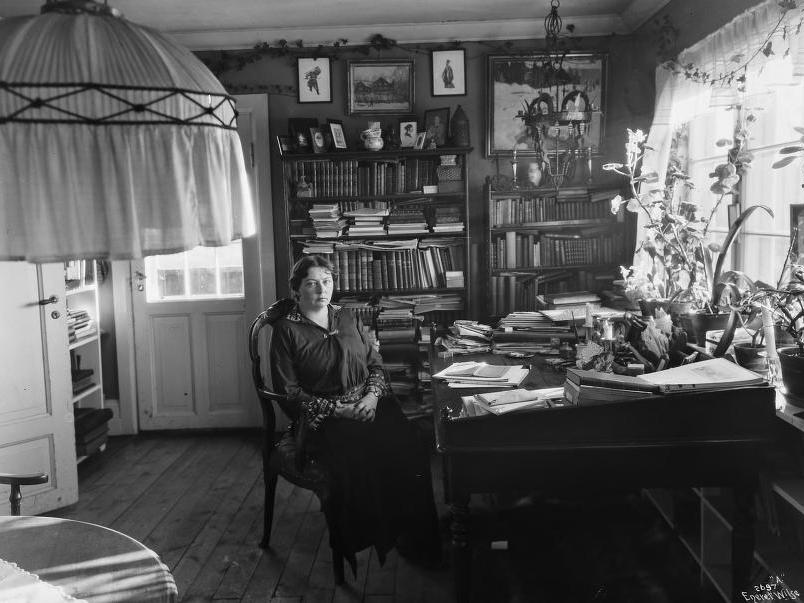
Alongside the postgraduate seminar sessions and workshop in Hilary and Trinity, we also launched a new format, a hybrid lecture series to facilitate discussions between the OSSN and senior scholars from universities across Europe. The series featured talks by Csur Gabor Attila (Budapest) on Scandinavian Studies in Hungary, Minna Jefferey (Oxford) on the nineteenth-century Finnish playwright Minna Canth, and Ulla Kallenbach (Bergen) on aspects of cultural transfer in connection with the Royal Danish Theatre. A further highlight was a lecture by Ulrik Langen (Copenhagen) on urban experiences in eighteenth-century Copenhagen, co-hosted with the Court Studies Seminar Series at Jesus College, Oxford. These hybrid lectures with senior scholars attracted an audience from across Oxford and abroad, reflecting the OSSN’s commitment to international exchange while enriching our postgraduate activities. The renewed financial and administrative support granted by TORCH, including its provision of the Zoom account and publicity channels, was instrumental in enhancing our visibility and enabling our events to reach audiences in and beyond Oxford while creating a welcoming and inclusive atmosphere.
Over the course of two academic years, the OSSN has demonstrated how a postgraduate initiative can generate lasting scholarly impact. By providing an interdisciplinary forum for young researchers to present emerging work, discuss current challenges, and develop new arguments, the network has fostered a sustained form of intellectual exchange that bridges the gap between online and in-person collaboration as well as between early career researchers and established scholars. The success of the OSSN has also emphasised the continuing relevance of Scandinavian Studies within the Humanities and highlighted how the literatures and histories of Scandinavia address questions of identity, transnationalism, and cultural memory. We are confident that the conversations on innovative new research fostered through the work of the OSSN will have a lasting impact on our participants and audiences. In bringing together and facilitating exchange between a new generation of Scandinavian scholars, the OSSN has laid the groundwork for future collaborations and reaffirmed the place of the University of Oxford in the wider international landscape of the discipline.