Oxford's Vice-Chancellor, Professor Irene Tracey FRS, said: ‘Oxford’s strength is based on the breadth and depth of our scholarship, and these latest QS subject rankings are a powerful affirmation of that enduring commitment to support all disciplines. To see four of our subjects – Anatomy and Physiology, Anthropology, Geography, and Modern Languages – ranked first in the world is a remarkable achievement, and one that reflects the dedication of our academic community.
‘That we are the UK university with the most subjects ranked top globally speaks not only to excellence, but to the collaborative, curiosity-driven culture that underpins our fundamental and translational work.
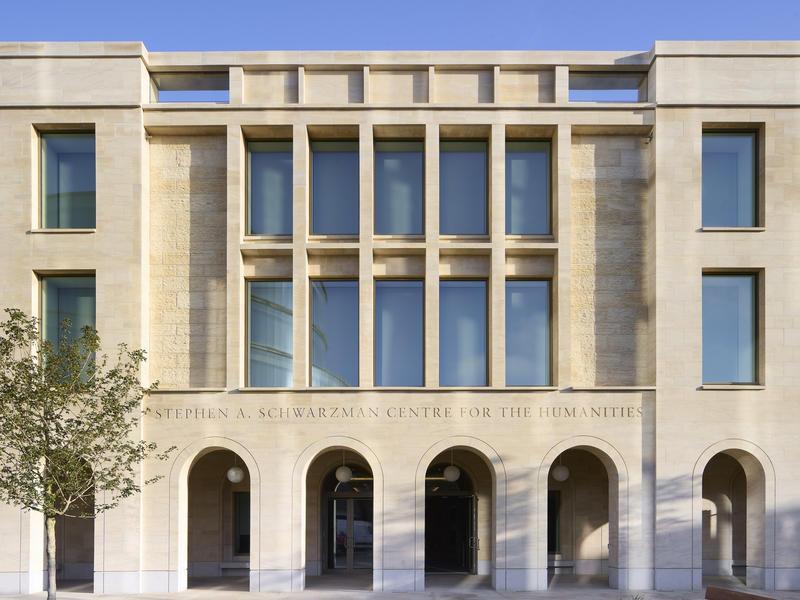
‘I am particularly delighted that Oxford has also been recognised as number one in the world for Arts and Humanities overall. At a moment when we are launching our new centre for the Humanities alongside an ambitious Arts and Cultural Programme, this is both a timely endorsement and a reminder of the vital role that the humanities play in helping us understand ourselves, our societies, and our shared future. As a university, we honour our intellectual heritage while continually renewing it – ensuring that our teaching and research serve the world with insight, creativity, and purpose.’
Modern Languages at Oxford came top in its field, in a ranking that assessed 352 other universities. Head of the Faculty of Medieval and Modern Languages Professor Phillip Rothwell said: ‘Modern Languages is delighted to achieve first place in this year's QS World Rankings, and to be an integral part of the Humanities Division that also ranks first. Our placement reflects our strong research culture, global engagement as a faculty, and the outstanding educational experience and employability of our students. It is also testament to the unwavering commitment of our faculty members and staff to a broad discipline that brings together multiple ways of seeing and being in the world, and of understanding our shared humanity in its rich diversity.’